
Why do I keep going along with things I don't want?
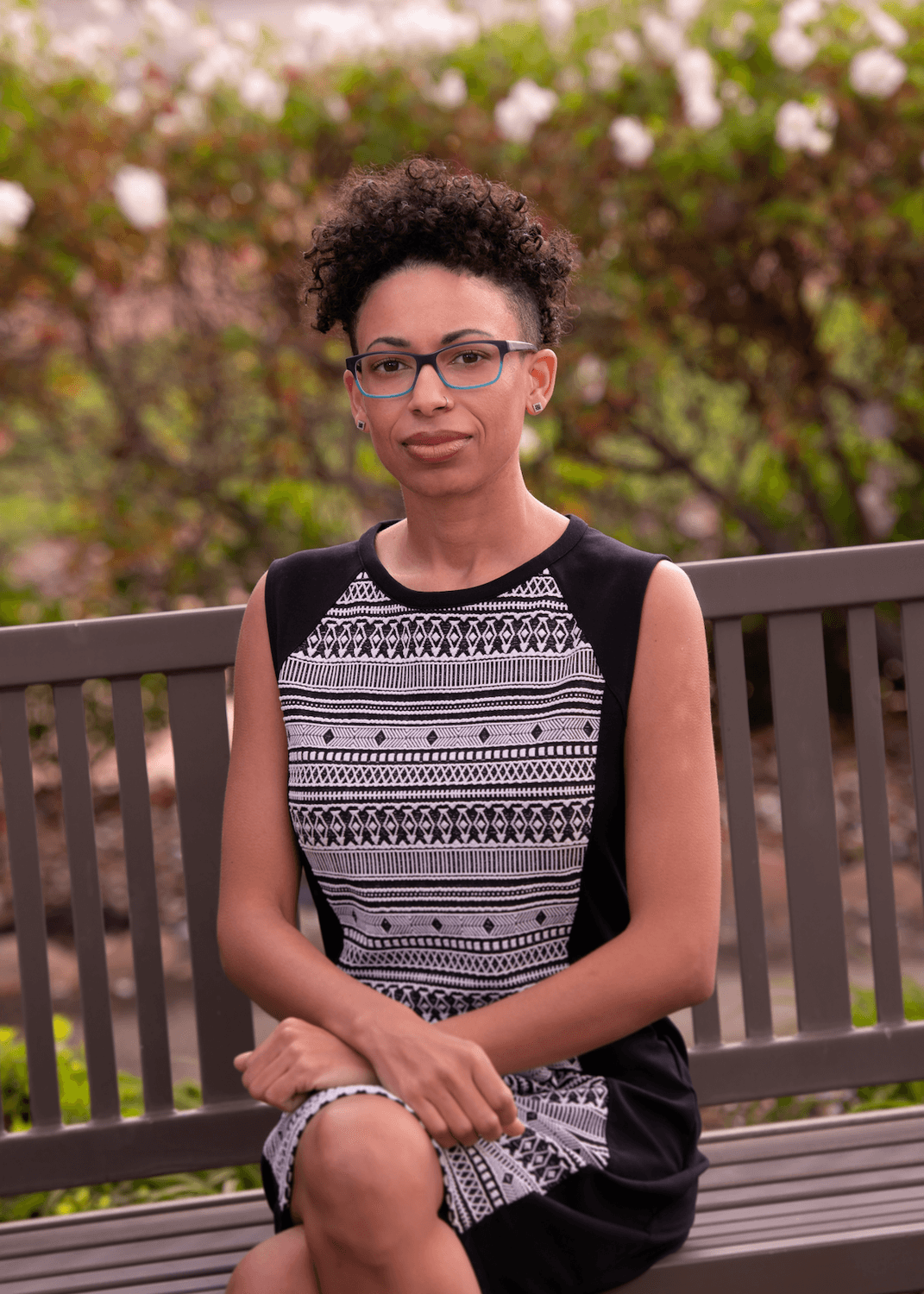
My name is Kala Myles and for a long time, I thought something was wrong with me.
I struggled with people-pleasing and a constant fear of being disliked or rejected.
It felt safer to deal with my discomfort later than to deal with someone else’s reaction in the moment.
I went along with things automatically, even when I didn't want to.
Then I figured out how to live with it afterward by overextending myself, minimizing how I felt, or telling myself it 'wasn't a big deal' when it actually was.
I stayed in relationships and friendships where I caught myself changing how I spoke, what I asked for, or what I admitted wanting.
Lowering my voice. Adding qualifiers. Backtracking.
Because being misunderstood, judged, or dismissed felt worse than staying quiet.
I had learned to survive.
People-pleasing wasn’t my personality.
It was what felt safest when speaking up didn’t go well.
That pattern had been there since childhood, but it intensified in my first relationship and marriage.
Over time, I felt drained, irritated and resentful.
My needs weren’t being met, but speaking up still felt unsafe.
From the outside, everything looked fine.
On the inside, I was losing touch with my own preferences, what I wanted, what bothered me, and what I needed because it felt easier to stay quiet than risk the reaction.
I stayed in that marriage because losing connection felt riskier than living with unmet needs.
When that marriage fell apart, it forced me to look at every relationship in my life, not just that one.
I started asking myself questions I couldn’t ignore anymore:
Why were they all one-sided?
Why did I keep tolerating things that didn’t feel okay?
And why was I more worried about how I came across than how I was being treated?
How I stopped people-pleasing
For years, I lived inside the same pattern I now help women understand — going along with things automatically to avoid dealing with someone else's reaction.
I didn't change it by trying to force myself to say no.
I changed it by understanding how it formed and what it was protecting.
Then I began applying what I was learning inward, without shaming myself.
I learned how to stop living on edge around other people.
How to notice what I actually wanted before agreeing to things.
How to sit with the discomfort of disappointing someone without abandoning myself just to make it go away.
I didn't just understand this intellectually.
I lived it, practiced it and let it reshape how I related to myself and others.
That work didn't just change how I thought.
It changed how I responded in the moments that used to trip me up.
I stopped agreeing automatically and catching it later.
I stopped explaining myself just to keep things from getting uncomfortable.
I stopped watching people's reactions to decide if what I said was okay.
I started noticing what I actually wanted before answering.
And I stopped leaving those moments feeling irritated, resentful and stuck replaying what I should have said.
Why I do this work
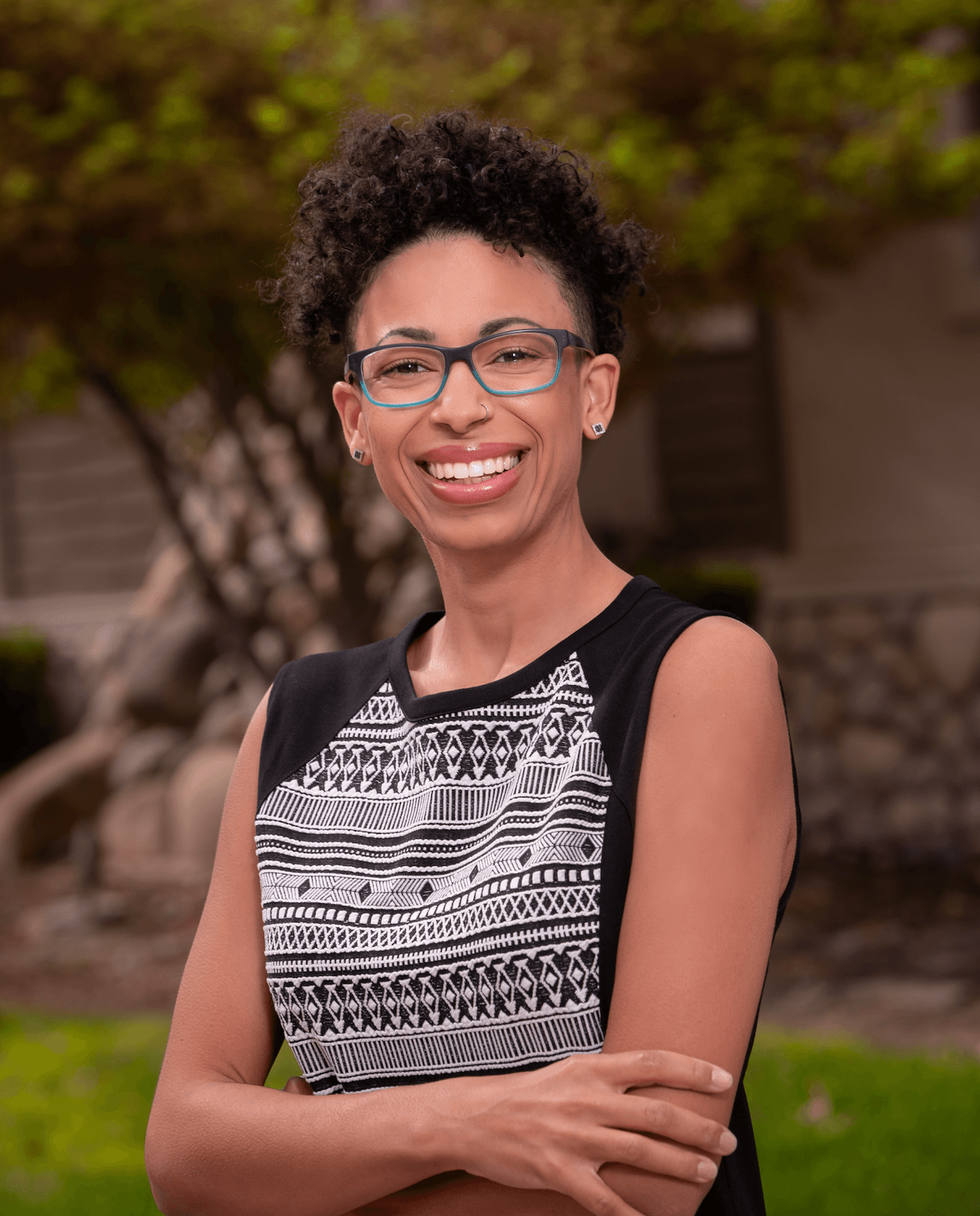
Today, I help women who recognize themselves in that pattern of people-pleasing.
Women who are emotionally intelligent and self-aware, but exhausted from adapting and living in response to other people's moods, reactions, or expectations.
Women who are no longer in immediate crisis, but still carry patterns they learned in relationships or environments where being fully themselves didn't feel safe.
Women who are done tolerating patterns they already understand and are ready to interrupt them.
I don't help women fix themselves.
I help them change patterns that once kept them safe and no longer do.
I became a certified life coach and continued studying emotional patterns, self-trust, boundaries and identity work independently because I wanted to understand this work deeply enough to actually help someone else change it.
This work is about identity, self-trust, boundaries and self-awareness, not digging endlessly into trauma.
It's coaching, not therapy, so I'm clear about who this work is for, who it isn't for and when licensed support needs to come first.

Who this work is for
I want to be very clear about what this work is and what it is not.
I am not a therapist, psychologist, or medical professional.
I don’t diagnose, treat mental health conditions, provide psychotherapy, or process acute trauma.
This work is not for women who are currently in physically or emotionally unsafe environments, in crisis, or needing clinical mental health support.
If that is where you are right now, you deserve licensed professional support, safety planning and protection first.
I work with women who are safe enough to reflect, self-aware enough to look at their patterns without collapsing into shame and ready to stop needing other people’s approval or permission just to feel okay with themselves.
If you're ready to understand your patterns, rebuild self-trust and respond differently, you're in the right place.
What I believe about this work
My work is grounded in a few values I didn’t always live by. I learned them the hard way.
Authenticity over adaptation.
I spent years shaping myself to fit the room instead of asking whether the room fit me.
Reciprocity over self-sacrifice.
I gave more than I received and called it being caring, even when it left me depleted.
Integrity over image.
I looked “fine” on the outside while ignoring what didn’t feel right on the inside.
Self-trust over external approval.
I spent years looking to other people's reactions to tell me whether what I said or did was okay.
Living without these values came at a cost.
That's why I don't help clients learn how to tolerate what slowly wears them down.
If this feels familiar
You don’t always say no.
Sometimes you dodge.
You make excuses, stay busy, change the subject, laugh it off, or do anything that avoids a direct refusal.
You agree to plans you already know you’ll regret.
Sometimes you cancel later.
Sometimes you go anyway and feel resentful the whole time.
You’ve let other people decide things that should have been yours to decide, like where you live, how money gets spent, what you’re doing for holidays, birthdays, trips, or even major life choices because pushing back felt harder than going along.
You over-give at work, with friends, and with family. Helping. Fixing. Covering. Staying late.
Then you feel irritable, depleted, or checked out when you’re finally alone.
You feel resentful that your needs aren’t understood, while also feeling scared to say them out loud because you’re used to them being minimized anyway.
You question yourself rather than the dynamic.
You know something about this isn’t working anymore.
But going along still feels automatic, as if you don't have a choice or as if pushing back comes with consequences.
And you’re not sure who you are without always adapting to others.
These patterns didn’t come from weakness.
They came from learning that staying acceptable to others felt safer than being fully yourself.
Now you get to learn what it feels like to catch it before you've already gone along with something you didn't want.
What changes
I'm not interested in teaching women how to manage this pattern better or work around it.
This work is about helping you stop automatically going along with what's expected of you and start responding based on what you actually want — not based on someone else's reaction, expectations, or guilt.
Because when that changes, everything else does too: your relationships, your decisions, and how you move through life.
If you're ready to stop going along with things automatically and start interrupting the pattern before it's already done, you're in the right place.
Ready to start?
One Up Your Level | © 2026 All Rights Reserved